


Although alcohol consumption is strongly ingrained in our culture and often considered normal, quitting alcohol can bring significant and positive changes to your body and mind. After a hard day or at a party, a fancy cocktail, a glass of wine or a cold beer can seem like pleasant ways to relax, seemingly reducing anxiety and facilitating social interaction. However, beyond the seemingly immediate benefits, this drink comes with many negative effects on your health.
Personal experience
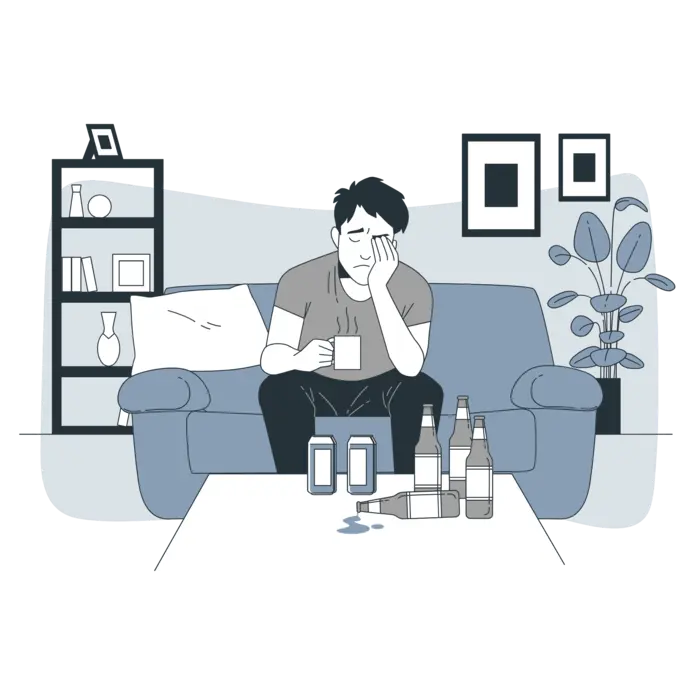
I myself had a personal experience that changed my perception of alcohol consumption. I used to drink alcohol almost every day, mainly because it was the norm in the social circles I was in. However, the main benefits that alcohol offered me were reduced anxiety and a state of relaxation, which turned out to be a temporary illusion.
The moment that convinced me to drastically reduce my alcohol consumption was when I started monitoring my health with a Garmin watch. It clearly showed me that my stress levels were extremely high during the night, leading to shallow, restless and totally un-sleepy sleep. The stress levels during the night were comparable to times when I was ill (Covid for example) – a clear signal that my body was struggling intensely to eliminate the toxins generated by alcohol.
My decision to drastically reduce my alcohol consumption brought remarkable changes in my life:
- Sleep became deep and restful.
- The number of depressive episodes were reduced to zero.
- Energy and general well-being have visibly increased.
- Overall anxiety levels have reduced, thus eliminating the artificial need for alcohol to feel good in social contexts.
- I experienced significant weight loss as I eliminated unnecessary calories from alcohol.
It was fascinating to find that eliminating alcohol from my routine not only didn’t isolate me socially, but on the contrary, it allowed me to genuinely enjoy spending time with friends and family.
In this article you’ll find out exactly what happens in your body when you give up alcohol and how this simple decision can bring tremendous benefits to your physical, mental and emotional health.
How alcohol affects the body and brain
For decades it was thought that moderate alcohol consumption, such as a glass of wine a day, could have health benefits. Recent studies, however, have disproved this idea, showing that even a small amount of alcohol has considerable negative effects on the body, particularly on the brain and digestive system.
Alcohol, whether wine, beer or spirits, contains a molecule called ethanol, which the body considers a toxin. Immediately after consumption, ethanol gets into the bloodstream and then into the liver, where a slow detoxification process begins. Initially, ethanol is broken down into acetaldehyde, an even more toxic substance responsible for the hangover and its harmful effects on the body, before being converted into acetic acid (a less harmful substance).
Alcohol and blood sugar: the red wine myth
A common myth is that red wine can lower blood glucose spikes after meals. Although this may seem beneficial in the short term, this effect is actually caused by overtaxing the liver which, busy detoxifying alcohol, can no longer regulate blood glucose properly. So the apparent “benefit” hides a bigger problem: liver intoxication.
Effects on the digestive system and intestinal flora
Drinking alcohol damages the lining of the stomach and intestines, causing nutrient deficiencies and conditions such as leaky gut syndrome. Furthermore, alcohol destroys beneficial bacteria in the gut flora, aggravating digestive problems and chronic inflammation.
Effects of alcohol on the brain: accelerated neuronal ageing
Recent studies (UK Biobank, 2022) show that even moderate alcohol consumption (one drink per day) accelerates brain ageing, causing reduced gray matter volume, cognitive decline and even increased risk for Alzheimer’s. Alcohol induces damage to neuronal DNA, impairs memory, judgment and motor coordination, and increases addiction by stimulating dopamine and serotonin (“happy hormones”).
Cancer and inflammation: confirmed major risks
The World Health Organization classifies alcohol as a group 1 carcinogen, along with tobacco and radiation. Even small amounts of alcohol increase the risk of cancer, especially breast cancer, due to DNA damage and chronic inflammation in the body.
What happens as soon as you quit alcohol
Seconds after you stop drinking alcohol, your liver slowly starts to filter out the toxins and sugars contained in drinks. The molecule responsible for the inebriation effect is ethanol, which binds to receptors in the brain and slows down neural activity, resulting in the drunken state.
Once the alcohol starts to leave the body, you will experience the first symptoms of recovery: intense fatigue and drowsiness. During this period, your body is working hard to eliminate toxic substances. It is essential to give it enough rest to speed up the detoxification process.
24 hours after your last drink
After about 24 hours without alcohol, the immune system starts to recover. Alcohol suppresses immunity, making the body vulnerable to infection and disease. So giving up alcohol can greatly reduce the risk of viral or bacterial illness.
However, if you have been in the habit of drinking frequently and heavily, you may experience withdrawal symptoms such as anxiety, excessive sweating, shakiness and a racing pulse. These symptoms are temporary but can be intense, depending on how much you used to drink.
Benefits after the first days and weeks without alcohol
After 3-5 days, the real benefits of abstinence start to become visible:
- Blood pressure drops. Alcohol increases blood pressure and the risk of cardiovascular disease. Even a few days off can bring noticeable reductions in blood pressure and an overall better feeling.
- Your appetite decreases and you can lose weight. Once you give up alcohol, you automatically consume fewer calories. On average, each alcoholic drink has several hundred calories and the sugar in alcohol contributes directly to weight gain.
- Skin becomes more supple and moisturized. Alcohol dehydrates the body and negatively affects the appearance of the skin. After a week, your skin becomes more moisturized, smoother and healthier.
Improved cognitive function and brain regeneration
One of the most dramatic benefits of giving up alcohol is recovery and improved cognitive function. According to research, alcohol profoundly affects the brain, even in relatively small amounts. Every drink consumed negatively influences neuronal health, especially by damaging white matter – that essential network of neural connections responsible for the fast and efficient transmission of nerve impulses.
White matter can be likened to the ‘highways’ in our brains, as it ensures rapid communication between different areas of the brain. Studies show that even moderate alcohol consumption can damage these neuronal pathways, slowing down the brain’s ability to process information and make optimal decisions.
Moreover, the effects of alcohol on the brain have also been demonstrated by measurable changes in Heart Rate Variability (HRV). Alcohol consumption drastically reduces HRV, indicating a state similar to intense stress or chronic fatigue. This reduction reflects impaired brain and neurological performance, affecting the brain’s ability to make decisions and react effectively in stressful situations.
But there is also some very good news: the brain has an extraordinary capacity for regeneration. When you give up alcohol, your brain begins a remarkable healing process. After a few weeks of abstinence, you’ll notice a clear improvement in your concentration, memory and decision-making. While it’s true that some of the damage done previously, such as the loss of memories during episodes of heavy drinking (‘blackouts’), cannot be recovered, most of the neural connections damaged by moderate or regular drinking will begin to regenerate.
The brain will also benefit from increased blood flow and regeneration of damaged tissues. Basically, by giving up alcohol, you are giving your brain a chance to regain its vitality, allowing you to enjoy a clearer and healthier mind in both the short and long term.
Kidney and liver recovery
After about two weeks without alcohol, the kidneys begin to regenerate, which will help maintain a better balance of fluids and toxins in the body. But the most dramatic change happens in the liver.
The liver, the organ most stressed by excessive alcohol consumption, begins to regenerate completely after about a month of abstinence. Liver regeneration brings huge benefits: the body becomes more efficient at eliminating toxins and overall health improves considerably.
Benefits for heart and cardiovascular system
Excess alcohol affects heart health and increases the risk of cardiovascular disease. Within two months of giving up alcohol, the heart begins to repair the damage previously caused, significantly reducing the risk of heart attack and stroke.
Add regular exercise and the benefits for heart health become even more significant. So abstinence combined with exercise can get you in great shape, physically and emotionally.
Improving your financial situation
An indirect but very relevant benefit is saving money. A social drinker can spend hundreds or even thousands of euros a year. Giving up alcohol can mean substantial savings, money you can invest in holidays, hobbies or personal development.
Less financial pressure means less stress, and reduced stress improves physical and emotional health.
Reducing the risk of cancer
One of the most important and least known benefits of giving up alcohol is the significant reduction in cancer risk. Surprisingly, recent scientific research, including information presented by the American Cancer Society, has confirmed that alcohol is a carcinogen, i.e. a substance that can cause cancer.
Specifically, studies have shown that people who consume large amounts of alcohol have a much higher risk of developing certain types of cancer, in particular liver cancer and esophageal cancer. The explanation for this is simple and logical: your body perceives alcohol as a toxin, and the liver, the organ responsible for eliminating this toxin, is directly exposed to the harmful effects of regular and excessive alcohol consumption. As a result, liver cells suffer repeated damage, which over time can lead to liver cancer.
Research also suggests that alcohol also increases the risk of esophageal cancer. Ethanol damages cells in the esophagus through direct contact, causing constant irritation and thus increasing the risk of malignant cell mutations.
Alarmingly, even moderate alcohol consumption causes brain damage, including damage to the white matter of the brain. This neuronal damage can indirectly contribute to impairing the body’s ability to manage other cellular processes, such as DNA repair and maintenance of cell health, thus increasing the risk of developing various cancers.
Therefore, giving up alcohol not only allows you to have a healthier brain and improved neuronal functioning, but also greatly reduces your risk of developing cancer in the long term. What’s more, the benefits of this decision last a lifetime. So the simple decision to eliminate or drastically cut down on alcohol can be a powerful protection against serious diseases and a decisive step towards a longer and healthier life.
The social challenges of quitting alcohol
One important aspect is social pressure. Society constantly urges us to consume alcohol in various social contexts. The decision to quit may be met with surprise or even social pressure.
However, choosing not to consume alcohol is a clear sign of self-respect. I believe that a balanced and healthy life is worth overcoming any social challenges along the way. Unfortunately, we often only realize its value when our health is already impaired or when the balance of our lives becomes difficult to restore.
Conclusion: A life without alcohol means balance and health
Giving up alcohol or even cutting down can make amazing changes to your health, emotional state and even your finances. Choosing to live without alcohol can be one of the best decisions for your health, balance and happiness.
Try it and discover for yourself the benefits to your body and mind! Have you had similar experiences with alcohol? Tell me your story in the comments, and if you want to learn more about the topic, I also recommend this podcast with Andrew Huberman.


